- 15-20% Off on Select Products Listed on Our Online Store

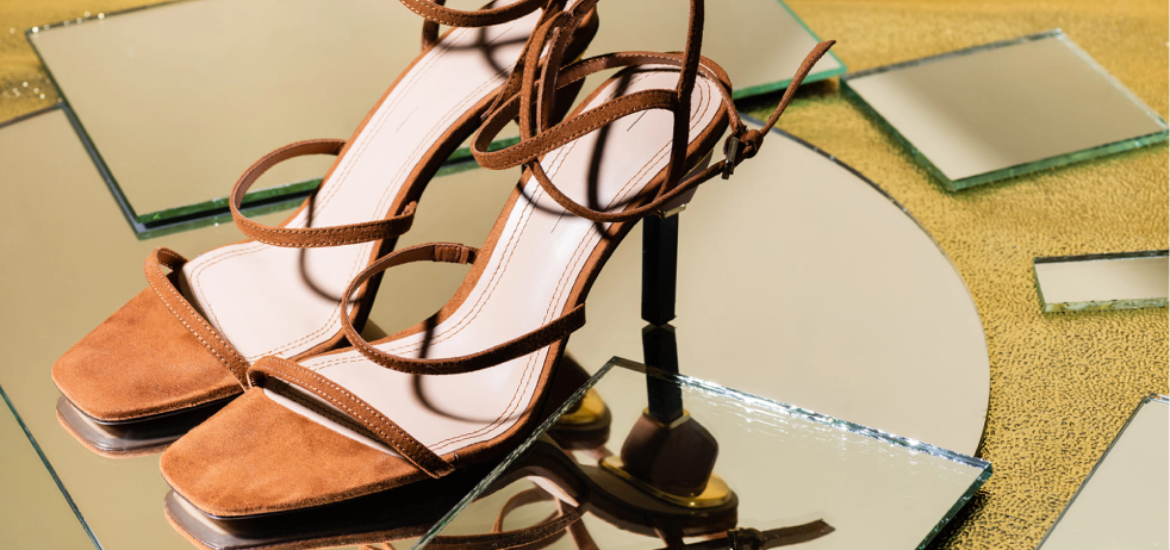
Attention often goes straight to color, heel height, material, or overall silhouette, when you’re choosing a pair for yourself. However, more than you realize, the shape at the front of your shoe can influence a lot of things. Different proportions are created by round, square, and pointed toes. This, in turn, affects how the shoe interacts with clothing and can even change the way a entire outfit appears.
Don’t just consider toe shape as a simple decorative element. The visual length, width, formality, styling possibilities, and how space is distributed inside a footwear all depend on it. When you understand such differences, you can make better decisions. You will be able to select a pair based on both appearance and practical consideration.
One of the defining elements of a shoe’s overall silhouette is the toe. The same basic footwear design can develop an entirely different personality, simply if you change the toe shape. Softer lines are created by a rounded front. Stronger geometry is introduced by a square shape. With a pointed toe, the visual direction of the pair is extended and it creates a sharper finish.
When footwear is paired with trousers, dresses, skirts, or other garments that expose the front of the shoe, such differences become particularly noticeable. Toe shape can either continue the lines created by an outfit, or deliberately contrast with them.
Thus, before considering smaller decorative details, it’s better to think of toe shape and consider it.
Round-toe footwear refers to one that has a curved front without any pronounced corners or a narrow central point. Considerable variations in the degree of roundness can be noticed. While some designs can feature a broader semicircular front, others tend to have a more subtle curve.
Visually, gentle lines are created by round toes. Often working naturally with relaxed outfits, the shape does not introduce any strong angles. Footwear can also appear somewhat shorter due to round toes. This is simply because the front doesn’t extend dramatically beyond the toes.
When comparing round and pointed versions of otherwise similar footwear, you’ll be able to visualize the differences even better. This is simply because the shape is unfamiliar and understated. Thus, round-toe footwear can move between different wardrobe settings without demanding excessive attention at all.
The manner in which the eye interprets your outfit is dependent on your footwear proportions. Through its curved front, a round toe creates width, rather than directing all the attention forward. This can complement clothing featuring soft shapes, flowing fabrics, relaxed trousers, fuller skirts, or rounded design details.
The lines of the clothing and footwear speak a similar design language, which results in everything feeling visually connected. Outfits containing sharper elements can also be balanced with these shoes. For instance, you can soften structured trousers or straight silhouettes with curved footwear.
Round toes don’t automatically mean casual, which is an important part to consider here. Your overall appearance is also determined by material, sole thickness, heel structure, and decorative details as well.
When the front edge of your footwear appears straight and relatively flat, it belongs to the square toe category. While some designs have clearly defined corners, there are others that soften those corners to create a less dramatic interpretation.
Geometry is the defining quality of any square toe shoe. The front doesn’t just follow the natural curve associated with the traditional rounded footwear, it creates a horizontal visual line. With this, your shoes will appear structured and intentional, even if the rest of the shoe design is relatively simple.
When an outfit contains other clean lines, including straight trousers, structured skirts, angular bags, or geometric accessories, square toes can work particularly well.
Nevertheless, if the square shape is highly pronounced, it can become the focal point, making proportion an important element altogether.
Square toes can influence the perceived width of a shoe. This is an interesting characteristic, and is largely because the front edge extends horizontally. Thus, the shoe tends to appear broader than a pointed design. However, this doesn’t mean that every square toe shoe is physically wider.
External shape and internal dimension are two different areas to consider. If you’re thinking from the styling perspective, the visual width tends to provide balance beneath wide trousers, long skirts, or clothing with substantial volume.
A stronger contrast is created, if you’re pairing a narrow clothing silhouette with square footwear. However, it depends on the effect you want to achieve, whether such a contrast works or not. Repeat angular elements elsewhere, if you prefer visual continuity. If you’re looking for shoes that stand apart, allow the square shape to become a contrasting detail altogether.
Narrowing towards the front, pointed toe footwear tend to create an extended directional line. While some designs finish with a sharp pointed edge, others offer a softer and a more tapered shape. The overall silhouette changes with even a subtle difference in the length and angle of the point.
The primary visual effect here is elongation. The shoe appears longer and narrower than rounded or square alternatives, simply because the shoe continues forward beyond the natural outline of the toes. With this, a streamlined effect can be created, which influences how the entire lower half of an outfit is perceived.
Therefore, pointed toes tend to be particularly useful when you want a footwear to continue rather than interrupt long vertical lines.
Pointed toes tend to naturally direct the eye forward. This kind of visual direction tends to complement straight trousers, tapered bottoms, long dresses, and other elongated silhouettes as well. A strong sense of extension between legs and footwear is generally created by pointed shoes with stronger hemlines.
The visual continuity is further strengthened by matching or closely related tones. However, the point itself varies considerably between designs. A stronger statement is created by a dramatically extended point.
A shorter tapered front, on the other hand, feels more understated. Thus, even small changes in toe length tends to influence whether footwear becomes the focal point or simply supports the rest of an outfit. You must consider the degree of point, and not simply consider every pointed shoe as identical.
External toe shape doesn’t tell you the exact internal space that a shoe provides. This is a common mistake to make. Even though a square shoe looks spacious, it may have thick internal construction, which reduces the usable room. On the other hand, some pointed shoes are constructed to ensure that the toes sit behind the narrowest section, rather than extending directly into it.
Signification variations in width and depth is also noted in the case of round shoes. Thus, you should never judge fit purely based on appearance. Always pay attention to where your toes actually sit, whether they rest naturally, and how the shoe feels while standing or even walking.
Every aspect of the fit cannot be explained by the labeled size alone. There’s significantly more to it as well!
Rather than asking which toe shape is universally preferable, consider what you want your footwear to contribute to your wardrobe.
Choose rounded shapes when softer lines suit the outfits you frequently wear. Consider square toes when you enjoy defined geometry or want footwear with stronger visual presence. Look toward pointed designs when you prefer an elongated, directional silhouette.
Then examine practical factors such as internal dimensions, movement, heel construction, and how the shoe interacts with your usual clothing. More importantly, try footwear while standing and walking instead of relying exclusively on appearance.
Round, square, and pointed toes may seem like small design variations, but they can noticeably change footwear proportions and outfit styling. Round toes introduce curves and visual softness. Square toes emphasize width and geometry. Pointed toes create direction and apparent length. None is inherently more versatile than the others because each produces a different visual result.
Once you start paying attention to toe shape, shoe shopping becomes more intentional. Instead of simply deciding whether a pair looks attractive, you can understand why its proportions work with particular clothing. Sometimes the smallest part of a shoe makes one of the biggest visual differences.